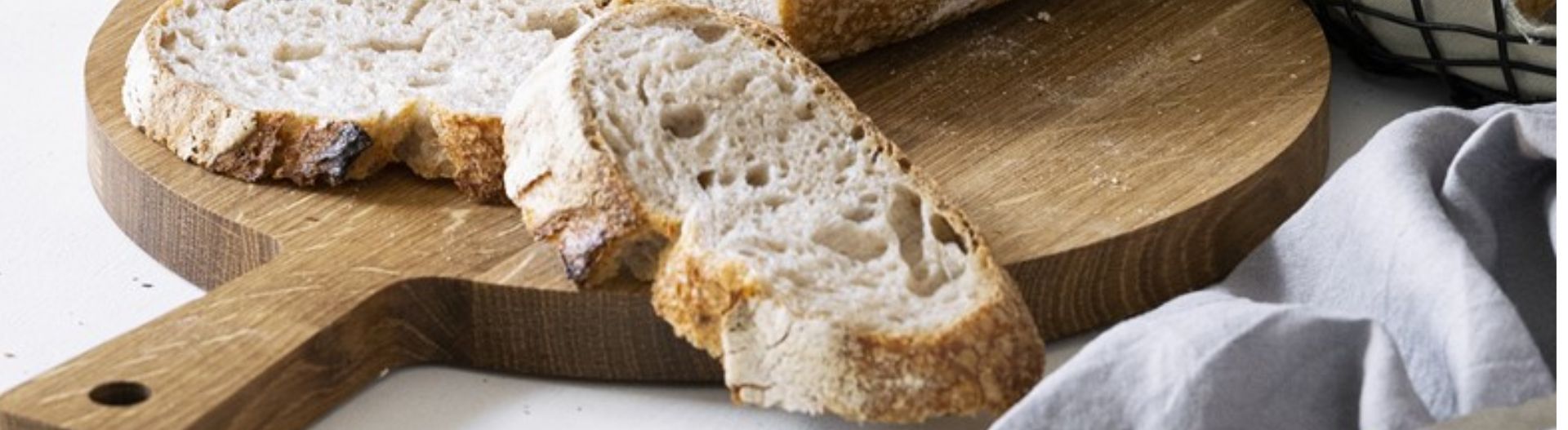
Wooden cutting boards are a fundamental element of kitchen equipment in gastronomy, culinary workshops, and households. In everyday use, material durability, stability during operation, and ease of maintaining the surface in good condition are essential. For this reason, wooden cutting boards made from hardwood species such as oak and beech are widely used.
The range includes models designed for various applications: preparing vegetables, bread, meat, cheese, and serving finished products. A properly selected wooden cutting board performs well in intensive use as well as in tasks requiring aesthetic food presentation.
What distinguishes wooden cutting boards?
The key performance characteristics of wooden cutting boards result from the properties of the material and the manufacturing process. In practice, the following aspects are the most relevant:
material durability – oak and beech wood withstand regular use,
dimensional stability – properly prepared material reduces the risk of deformation,
work comfort – a solid surface facilitates everyday cutting and portioning,
versatile use – a single board can function as a work surface or be used for serving food,
natural appearance – wood integrates well with both domestic and professional kitchen environments.
Oak and beech boards – differences in application
Oak boards are valued for their high hardness, pronounced grain pattern, and solid character. They perform well in environments where resistance to intensive use and product stability are required.
Beech boards are characterized by a uniform wood structure and light color. They are commonly selected for kitchen applications where visual lightness, functionality, and easy integration with different interior styles are important.
The choice of wood species depends on the intended use, expected aesthetics, and preferences regarding the weight and appearance of the board.
Applications of cutting boards in kitchens and gastronomy
Wooden cutting boards are used across many areas of food preparation. They can be used for:
cutting and chopping vegetables,
portioning bread,
preparing meat and fish,
serving snacks, cheeses, and cold cuts,
organizing work at the kitchen station.
In the HoReCa sector, consistent manufacturing quality, availability of various sizes, and the ability to match the product to the venue profile are important. In home kitchens, durability, ease of maintenance, and everyday usability are key.
What to consider when choosing a cutting board?
When selecting a cutting board, several technical and functional parameters should be considered:
board dimensions – should match the volume of prepared products and the size of the countertop,
thickness – affects stability and durability during intensive use,
wood type – oak and beech differ in visual and functional properties,
surface finish – determines work comfort and ease of maintenance,
intended use – work boards and serving boards have different requirements.
A well-selected wooden cutting board supports workflow organization and reduces the need for frequent equipment replacement.
Wooden cutting boards as a component of kitchen equipment
For wooden products, material quality, machining precision, and proper surface protection are critical. These factors affect product durability and its suitability for daily use. For this reason, boards made from oak and beech remain a practical solution for users seeking reliable kitchen equipment based on natural material.