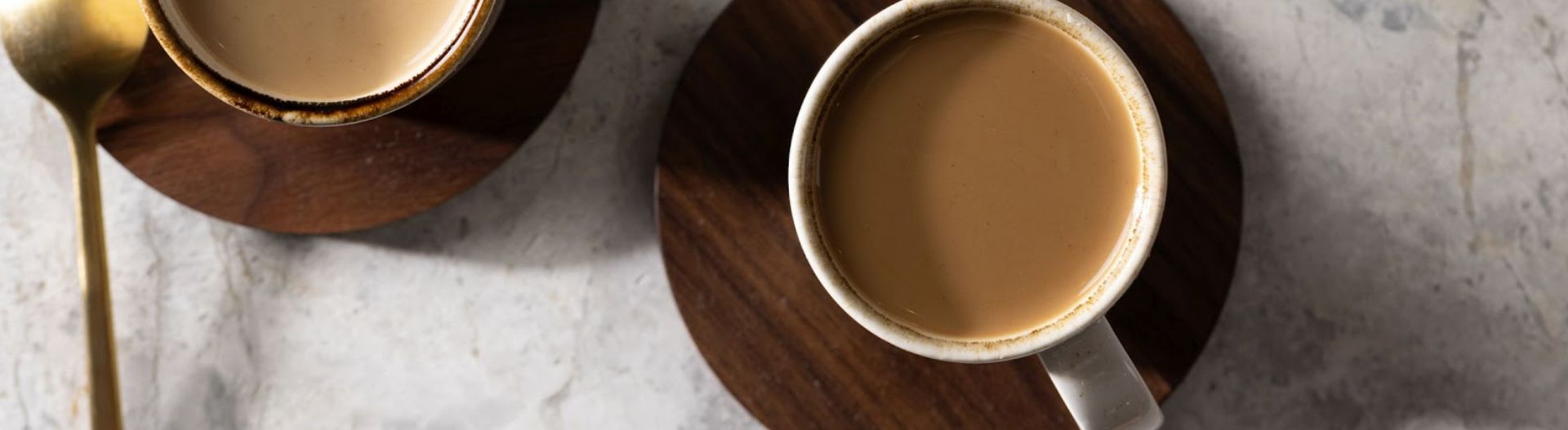
Mug Coasters are a practical component of work and food service spaces. Their primary function is to protect surfaces from moisture, high temperatures, and stains resulting from dish use. In high-intensity environments, they reduce the risk of permanent marks and surface damage.
Wooden mug coasters – material properties
Wooden mug coasters are most commonly made from oak or beech wood. These materials are characterized by adequate hardness and dimensional stability. The wood structure limits heat transfer, providing effective surface protection. Additionally, the natural surface ensures good grip for dishes, reducing the risk of slipping.
Application of coasters in functional spaces
Mug coasters are used in various environments:
food service and hospitality
offices and coworking spaces
conference rooms
kitchen and dining room equipment
In each of these cases, consistency of quality and resistance to intensive use are important.
Performance and operational parameters
Wooden mug coasters should meet specific technical requirements:
surface protection with oil or another agent approved for indirect contact with food
resistance to deformation under the influence of moisture
ease of cleaning and maintenance
From the end-user’s perspective, product stability and dimensional consistency are also important.
Production process of wooden mug coasters
The production of wooden coasters includes raw material selection, mechanical processing, and surface finishing. Proper drying of the wood is crucial to limit later deformation. Precise processing ensures uniform thickness and smooth edges, contributing to safe use.
Coasters as part of a B2B offering
In business applications, coasters serve both functional and organizational purposes. They facilitate maintaining clean workstations and shared surfaces. For larger orders, consistency of quality, the possibility of standardizing dimensions, and the option for branding according to the client’s visual identity are important.