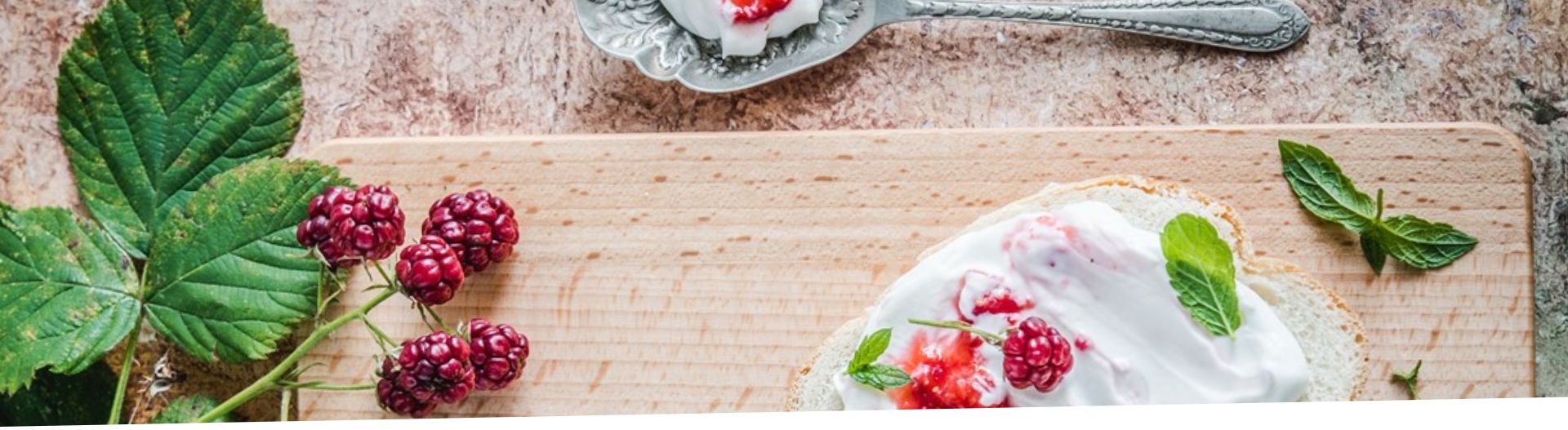
Wooden breakfast boards – functionality for daily use
Breakfast boards are a fundamental kitchen accessory used for preparing and serving meals. The wooden construction ensures stability and comfort during use. The working surface allows for cutting bread, vegetables, and breakfast items without excessive wear on utensils.
The natural wood structure integrates well with other materials used in the kitchen space, contributing to the visual cohesion of the equipment.
Wooden breakfast boards – material properties
The wood used in the production of breakfast boards is characterized by adequate hardness and resistance to mechanical damage. The material does not react with food and does not affect its taste or aroma.
Key functional features:
limited moisture absorption with proper treatment
properties that inhibit bacterial growth
resistance to daily use in kitchen conditions
Wooden breakfast boards are easy to maintain. Regular cleaning and periodic oiling extend their lifespan.
Ecological aspects of breakfast board production
Wooden breakfast boards are an environmentally friendly solution. The raw material is sourced from controlled sources, and the wood itself is biodegradable.
Long-term use reduces the need for frequent product replacement. At the end of its life, the wood can be recycled or naturally decomposed.
Use of breakfast boards in gastronomy and kitchen equipment
Breakfast boards are used in private kitchens as well as in the gastronomy sector. They serve as a surface for meal preparation and as an element for serving food.
In professional environments, the following are important:
dimensional consistency
material durability
ease of maintaining hygiene
Wooden breakfast boards meet functional requirements while maintaining the aesthetic appropriate for kitchen equipment.